
Best Travel Backpack for Laptop, Charger, and Everyday Carry Gear
A good travel backpack should support movement, not turn packing into a strategy game. The best bags balance laptop protection, carry comfort, and simple access on normal travel days.
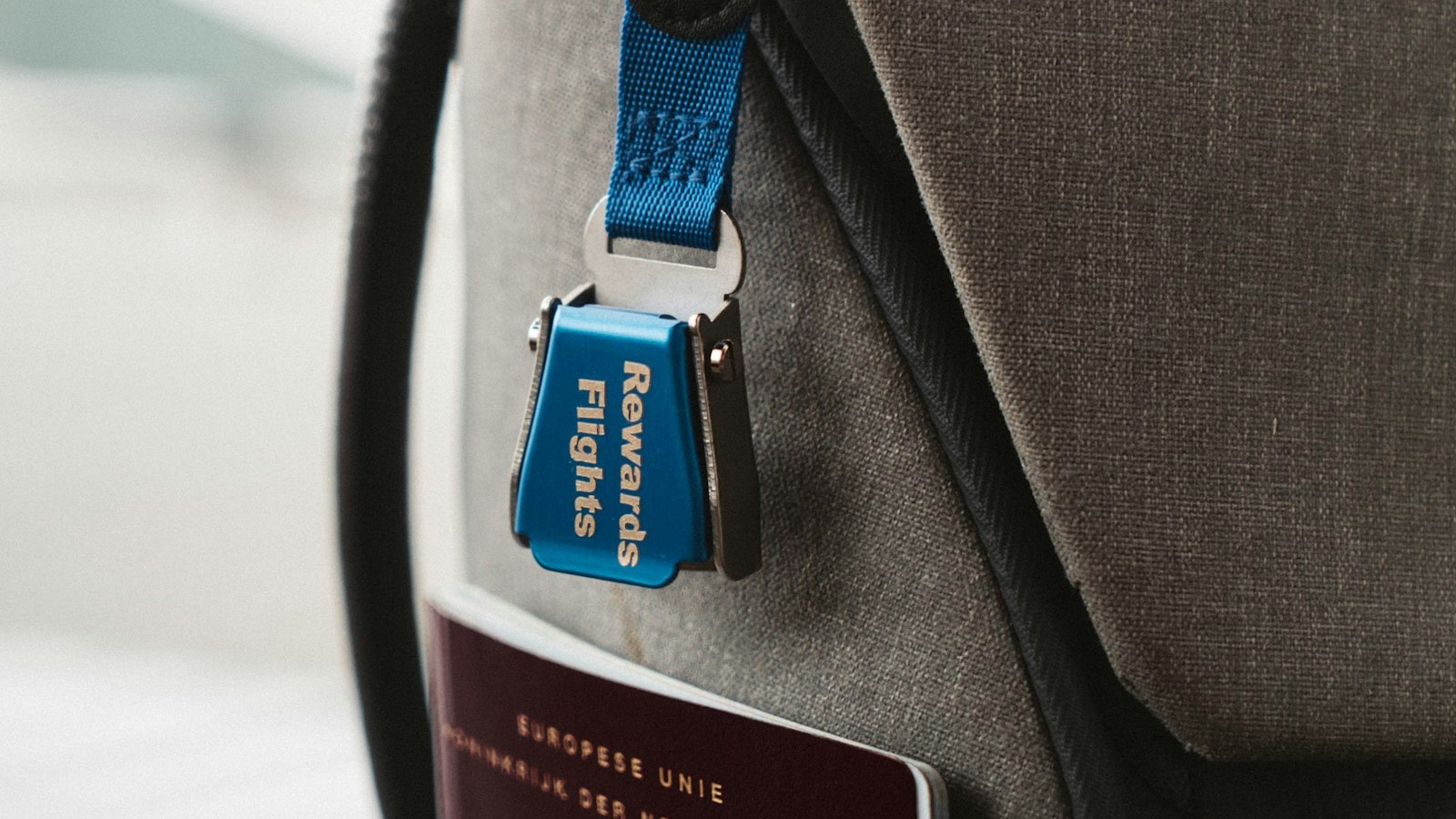
Travel used to be defined by the oversized suitcase that you "engaged" with only at the airport and the hotel. Today, for the modern operator, travel is an integrated experience. Your backpack is your mobile headquarters. It needs to hold your office, your wardrobe, and your survival kit, all while fitting comfortably under an airplane seat. At RetireGoal, we believe in the "One Bag" philosophy: if it doesn't fit on your back, you're carrying too much. The right backpack isn't just a container; it's a "frictional reducer" for your entire journey.
The Ideal Capacity: The "Goldilocks" Zone of Packing
For a 3–5 day trip, the "sweet spot" is between 24L and 30L.
- Under 24L: You are a minimalist pro. This is perfect for daily commuting but might require you to wash your clothes in the hotel sink for longer trips. You are sacrificing "Options" for "Agility."
- Over 35L: You are entering "Suitcase" territory. These bags are heavy, difficult to fit under airplane seats, and often lead to back pain if you walk more than a mile. Once a bag gets this big, humans tend to fill the space with "Just in Case" items that they never actually use.
- The 28L Standard: A 28L bag is the perfect compromise. It is small enough to be carried as a personal item on most airlines but large enough to fit a change of shoes, a tech kit, and three days of professional attire.
The Technical Core: Laptop Protection and the "False Bottom"
A travel bag is only as good as its tech compartment. For the RetireGoal reader, the laptop is the highest-value item in the bag. Avoid any bag that doesn't have a Suspended Laptop Sleeve (often called a "False Bottom").
If you drop your bag on a hard floor, a suspended sleeve ensures your $2,000 laptop doesn't hit the ground. It "floats" an inch above the bottom of the bag, absorbing the impact into the bag's frame rather than your computer's chassis. Additionally, look for a dedicated side-access zipper so you can pull your laptop out at airport security without opening the main compartment and revealing your folded laundry to the entire queue.
Design Archetype: Clamshell vs. Top-Load
1. The Clamshell (Suitcase Style) The bag opens like a book, exposing the entire interior. This is the RetireGoal recommendation for travel. - Visibility: You can see every item you've packed at a glance. - Efficiency: You can use "Packing Cubes" to organize your wardrobe like a chest of drawers. - Stability: It's much easier to pack heavy items (like a camera kit) at the bottom near your center of gravity.
2. The Top-Loader (Rucksack Style) These bags open only from the top, often with a drawstring or a roll-top. - The "Mining" Problem: If you need your charger and it's at the bottom of the bag, you have to "mine" through your socks and shirts to find it. This creates a state of constant "Pack Chaos" throughout your trip.
The Ergonomics of the Long Walk: Beyond the Straps
Don't buy a bag based on its looks alone. If you carry a 15lb load through the streets of Rome or Tokyo, these features move from "Nice to Have" to "Non-Negotiable":
- Contoured Shoulder Straps: Most cheap bags have straight straps that dig into your neck. Look for an "S-Curve" design that follows the natural slope of your shoulders.
- Load Lifters: These are small straps at the top of the shoulder straps. When pulled, they bring the top of the bag closer to your body, preventing the bag from "pulling away" and straining your lower back.
- Sternum Strap: A small clip across your chest that pulls the shoulder straps inward. This prevents the bag from swaying and keeps the weight centered on your spine.
- Luggage Passthrough: A sleeve on the back that allows the backpack to sit securely on top of your suitcase handle. Essential if you ever travel with a roller bag for longer trips.
Material Choice: Durability vs. Weight
- 1680D Cordura (Ballistic Nylon): The reliable veteran. It is incredibly abrasion-resistant and has a professional "fabric" look. It’s heavy, but it will literally last for 20 years of frequent travel.
- X-Pac / Ultra: The modern specialist. It is extremely lightweight, stiff, and 100% waterproof. It has a slightly "crinkly" feel and a technical/futuristic aesthetic.
- Leather: While beautiful and professional, leather is heavy and requires high maintenance. For the frequent flyer, the weight penalty of leather (often 2-3 lbs more than nylon) is rarely worth the aesthetic gain.
Packing for Access: The "External Org" Rule
The best bags have a dedicated "Admin" pocket on the top or front. This is where your passport, sunglasses, AirPods, and Kindle live. - The "Under-Seat" Test: You should be able to reach these items while the bag is at your feet under the airplane seat. - The "Quick Drop": Look for a "hidden" pocket near the back panel where you can quickly drop your phone and wallet before going through a metal detector.
The "One-Bag" Lifestyle: Tactical Tips
- The Tech Pouch: Never throw cables loosely into your bag. Use a dedicated tech pouch (like the Peak Design Tech Pouch) to keep your dongles, chargers, and power banks in one "brick."
- The "Hero" Hook: Buy a "Heroclip"—a specialized carabiner that allows you to hang your bag from a table or a bathroom stall door. Keeping your bag off a dirty floor is a major quality-of-life win.
- The Layering System: Pack for 3 days, not 10. Use high-quality Merino wool or technical fabrics that don't hold odors and can be worn twice. If you can master the "One-Bag" lifestyle, you never have to wait at a luggage carousel again.
The RetireGoal Shortlist: The Top Containers
1. Aer Travel Pack 3 (Small) Aer has perfected the "Modern Professional" look. Their bags are divided into two clear halves: a tech office in the front and a wardrobe in the back. Their use of 1680D Cordura makes the bag feel indestructible and premium.
2. Bellroy Transit Backpack This is the bag for people who hate the "Backpacker" look. It looks like a simple, elegant rucksack, but it hide a sophisticated clamshell opening and incredible internal organization. It’s the "Stealth" travel bag.
3. Patagonia MLC 30 (Mini Maximum Legal Carry) The "Black Hole" of packing. It doesn't have the sophisticated internal silos of an Aer bag, but it allows you to fit a staggering amount of clothing into a very small footprint. It’s the choice for the adventure-focused traveler.
Conclusion: The Freedom of the Pack
When you find the right backpack, your relationship with travel changes. You stop being a "passenger"—someone who is being moved between locations—and start being an Operator.
You move through airports faster, you save $60 a trip on baggage fees, and you always have your mobile headquarters on your back. Spend the time and the $200–$300 to find a bag that fits your frame and your gear perfectly. It is the most important "home" you have while you're on the move. Reclaim your agility and stop the suitcase struggle.