
Ozlo Sleepbuds 2 for Side Sleepers: What Actually Matters Overnight
Side sleepers do not need another impressive earbud spec sheet. They need low pressure against the pillow, dependable all-night playback, and a routine that still feels simple at 2 a.m.
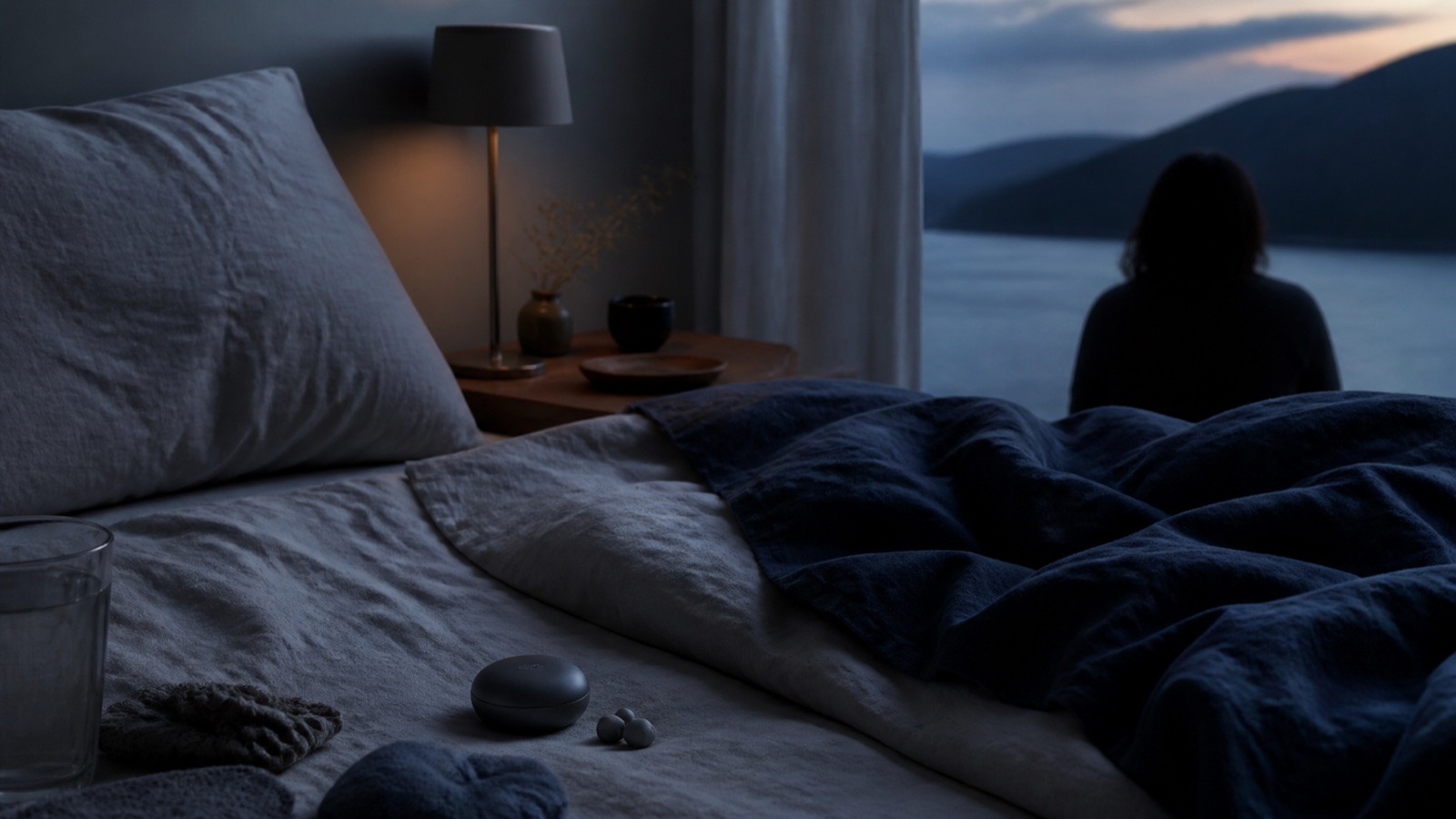
Side sleeping exposes the weakness in almost every ordinary earbud design. A stem catches the pillow. A hard outer shell presses into cartilage. A touch control activates when your head shifts. What felt comfortable for a 20-minute podcast becomes impossible after an hour.
That is why the Ozlo Sleepbuds 2 decision should begin with shape, not sound. The product can stream audio and mask noise, but none of that matters if you remove it unconsciously because the pillow keeps pushing it into your ear.
“Made for side sleepers” should translate into measurable details
Ozlo lists each Sleepbud 2 at 1.6 grams and 11 millimetres high without the silicone tip. Those numbers do not guarantee comfort, but they explain the intended design: small, light, low-profile hardware with soft silicone between the device and the ear.
The more important detail is that four tip sizes are included. A secure tip helps the bud sit in the ear instead of balancing at the opening, and the seal supports passive noise reduction. Fit can differ between left and right ears, so symmetry is not the goal. A pressure-free seal is.
For a side sleeper, the best test is deliberately unglamorous:
- Fit each ear independently.
- Lie on your usual pillow, not a showroom cushion.
- Stay on one side for 20 minutes, then switch.
- Notice pressure around the outer ear and jaw—not just whether the bud falls out.
- Repeat the test after the ear has warmed up.
If discomfort builds during this short test, an eight-hour night will not make it better.
The 14-hour battery is useful because bedtime starts before sleep
Sleep duration is not the same as wear time. Someone may put the buds in at 10 p.m., listen for an hour, sleep for eight, and stay in bed longer on a weekend. The original model's manufacturer rating was up to 10 hours; Ozlo now lists Sleepbuds 2 at up to 14 hours.
That extra margin matters more than a headline speed upgrade. It reduces the chance that a long wind-down period consumes the reserve intended for the morning. Ozlo notes that actual battery life varies with volume, streaming, settings, environment, enabled features, battery age, and charging history, so the number should be treated as a ceiling rather than a promise.
A useful first-week habit is to check the morning percentage instead of charging automatically. You will quickly learn whether your normal combination of streaming and masking leaves a comfortable buffer.
The cleverest feature is the handoff after you fall asleep
Many people want spoken audio while they are awake but do not want a podcast, audiobook, or playlist running all night. Sleepbuds 2 are designed to detect when the wearer falls asleep and shift from streaming to noise masking.
That creates a more thoughtful sequence:
- Wind down: listen to the content that occupies an active mind.
- Fall asleep: let the stream fade instead of choosing another timer.
- Stay asleep: use stable masking audio for snoring, traffic, or room noise.
- Wake privately: use the in-ear alarm without changing the room for a partner.
It is still a system to test, not a guarantee. Sleep detection can only be useful if the buds fit well, the chosen masking sound is tolerable, and the alarm is configured correctly. Keep a backup alarm until the routine has worked reliably for several mornings.
Better connectivity matters most when you stop noticing it
Ozlo describes improved connectivity for Sleepbuds 2, with Bluetooth streaming through the Smart Case and a Bluetooth Disabled mode for onboard sounds. The best result is not “more Bluetooth.” It is fewer moments when you are sitting upright in bed reopening an app or reseating a bud.
Before deciding, check the current phone and operating-system requirements. Then think about which mode you will actually use:
Streaming-first
This suits listeners with a specific podcast, meditation, playlist, audiobook, or service already attached to bedtime. The tradeoff is a longer chain of devices and apps.
Masking-first
This suits sleepers mainly trying to soften a predictable noise. Once configured, onboard sound and Bluetooth Disabled mode can keep the phone out of the nightly routine.
The second approach is less exciting on a product page and often calmer in practice.
Sleep insights are a prompt, not a diagnosis
Sleepbuds 2 and the Smart Case can surface sleep-pattern and environmental information over time. That may help you notice associations—perhaps a louder room, a later start, or an inconsistent routine—but consumer sleep data should not be treated as a clinical verdict.
Use the information to ask better questions and adjust obvious environmental factors. Persistent insomnia, pain, breathing concerns, or hearing issues belong with a qualified professional, not a shopping dashboard.
Should an original Sleepbuds owner upgrade?
An upgrade makes the most sense when a specific limitation is already visible:
- The original battery regularly reaches its limit before morning.
- Connection friction makes the bedtime routine unreliable.
- The automatic streaming-to-masking transition matches how you already fall asleep.
- Sleep-pattern context would change a decision you are prepared to make.
If the original pair is comfortable, lasts through the night, and plays the sound you want, a newer model may not improve the actual routine enough to justify replacing working hardware. “Current” and “necessary” are not synonyms.
Who should consider Sleepbuds 2—and who should pause?
The strongest candidate is a side sleeper with a recurring sound problem, an established audio habit, and a willingness to spend a few evenings fitting and testing the system.
Pause if you dislike sealed in-ear devices, expect active noise cancellation, need a microphone for calls, or want a product that requires no charging, app setup, or maintenance. Ozlo's current specification describes passive noise cancellation through the silicone tips rather than ANC, and the product is designed for sleep rather than daytime communication.
The RetireGoal view
Sleepbuds 2 make sense when the details remove a known source of nighttime friction: pillow pressure, a battery that ends too early, audio that continues after it stops being useful, or a shared alarm that wakes the wrong person.
That is a more demanding standard than simply liking the idea of better sleep. If those problems are real in your room, review the current seller and return terms for Ozlo Sleepbuds 2 and test the product as a complete seven-night routine. Comfort on both sides, remaining charge in the morning, connection reliability, and fewer awakenings from sound are the evidence that matters.