
How to Choose Open-Ear Headphones for a Comfortable Run
Mini or Standard? Measure for the right fit, compare open-ear listening trade-offs, and check comfort with glasses, battery life and everyday use before buying.
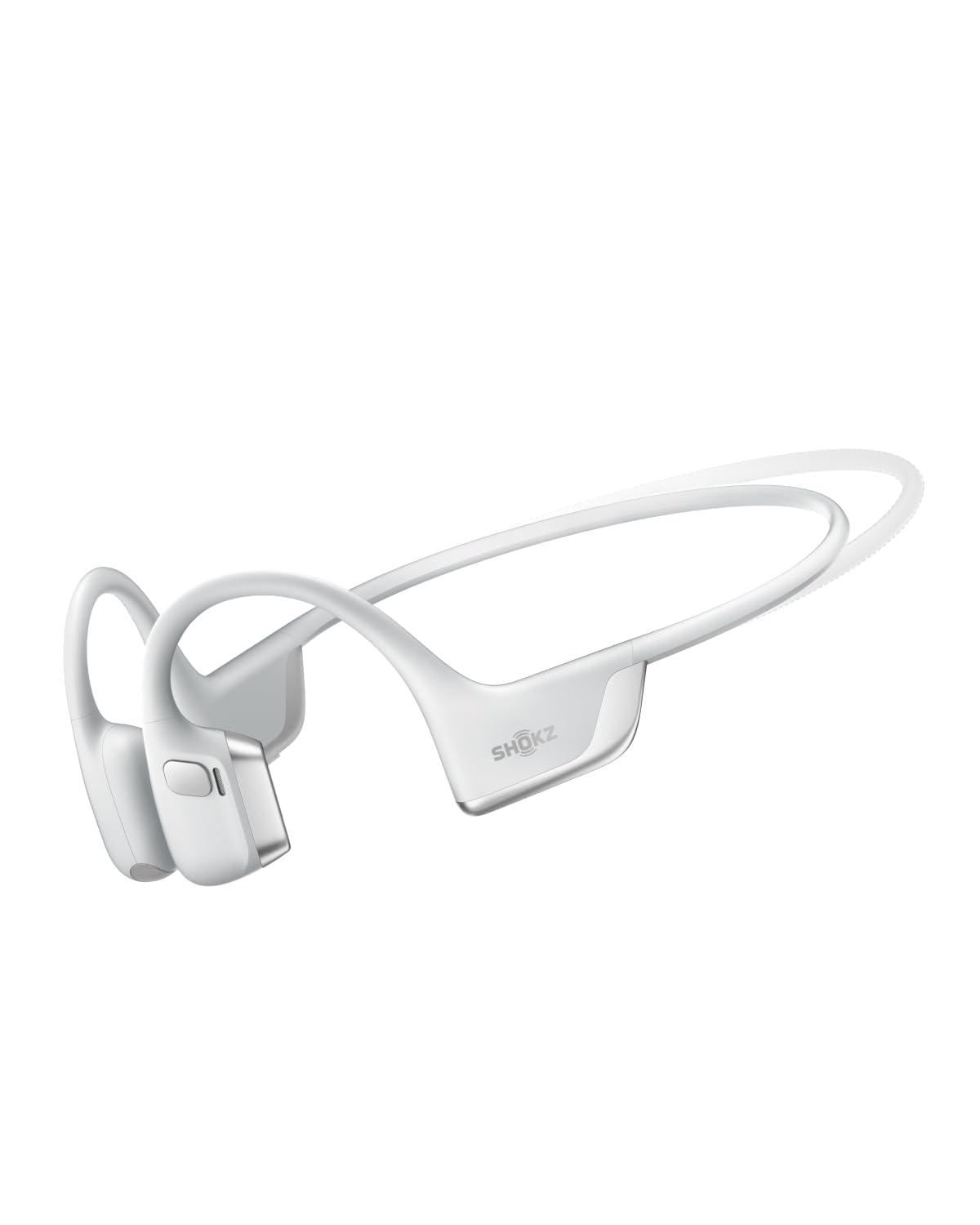
A headset can sound good and still be the wrong companion for a run. A band that catches your collar, presses against your glasses or moves whenever you turn your head becomes distracting long before the battery runs out. With the SHOKZ OpenRun Pro 2 Mini, the first buying decision is fit.
This guide explains how to choose between Mini and Standard, where open-ear listening makes sense, and what to check during your first few sessions. It is a buying guide based on manufacturer information and practical selection criteria, rather than a hands-on product test.
RetireGoal may earn a commission if you purchase through links on this page. Read our affiliate disclosure.
The quick decision
- Consider Mini if Shokz’s measurement guide points you toward the smaller band and you want open-ear audio for running, walking or everyday listening.
- Compare Standard if your measurement points toward the larger size or Mini feels tight when you turn your head. Smaller is useful only when it improves comfort.
- Consider a different headphone style if your main goal is blocking out a noisy commute, enjoying quiet detail in a loud gym, or listening while swimming.
The SHOKZ OpenRun Pro 2 Mini listing is a useful place to check the exact size, seller and included accessories once you know which version you need.
Mini vs Standard: measure before you order
Shokz’s current sizing guide uses the distance from the centre of one ear, around the back of your head, to the centre of the other. It recommends Mini below 9.25 inches (23.5 cm) and Standard above that measurement. This is not your full head circumference. See the official sizing guide on the product page.
Use a soft tape and repeat the measurement without pulling it tight. If you land at or very close to the dividing point, treat it as a reason to try both sizes or ask Shokz for fit advice. A tiny difference in a home measurement should not decide an expensive purchase on its own.
A useful fit check at home
- Put the headset on as shown in the manufacturer’s instructions, with your usual glasses and hairstyle.
- Turn your head left and right, look down, and gently nod. Notice pressure or movement around the ears.
- Try your running jacket, cap or other clothing that might touch the rear band.
- Walk around and practise reaching the controls while standing still.
- Keep the packaging until you have checked comfort and the seller’s return conditions.
Do not judge the fit only by how close the band looks to the back of your head. The more useful questions are whether the headset stays comfortably in position and whether clothing pushes it forward. A snug-looking band is not a benefit if it creates pressure after a short session.
What open-ear listening changes
The ear canal stays open, so outside sound remains part of the listening experience. That can suit a walk with a friend or a quiet run where you prefer not to feel sealed off. The trade-off is that traffic, wind and gym music can compete with your audio.
Shokz describes OpenRun Pro 2 as a hybrid design using bone-conduction and air-conduction drivers. It also lists app-based EQ options. Those features describe the design, not a guarantee that you will prefer the sound. Listen to the kind of audio you actually use: a spoken podcast can expose different limitations from a familiar running playlist. Manufacturer details.
Open ears do not guarantee awareness. Audio can still distract you or mask a sound you need to hear. Pause playback where attention matters, and do not assume this design makes a road crossing or busy route safe.
Match the headphones to your routine
Running and brisk walks
Start with a familiar route and an easy session. Check whether the headset remains comfortable as you warm up, whether your collar touches the band and whether you can operate the controls without repeatedly adjusting the fit. For a group run, decide whether having audio playing is useful at all.
For longer outings, think beyond advertised battery life. Include the journey to the start, any calls beforehand and the trip home. A headphone that works well on a short weekday run should still be tried on a longer training day before you depend on it for an event.
Gym sessions and strength training
An open-ear design may be appealing when you dislike in-ear tips, but a loud gym can make spoken audio difficult to follow. Also check what happens when you lie on a bench: the rear band may meet the headrest. If contact pushes the headset out of position, another design may suit that exercise better.
Desk work, calls and errands
Test a short call in your usual setting and ask the other person whether your voice is clear. A quiet-room call tells you little about a windy street. If you move between a phone and a computer, practise the connection workflow before relying on it for a meeting.
Shared spaces deserve a volume check too. Ask someone nearby whether your audio is audible to them at your normal listening level. Open-ear listening is useful only if the compromise works for both you and the people around you.
Glasses, hats and helmets: check the combination
Glasses arms and ear hooks occupy nearby space. Try the headset with the pair you actually wear outside, rather than assuming that comfort without glasses will carry over. Notice whether a cap or ponytail changes the band’s position.
If you use a helmet, check that the headphones do not interfere with its correct fit or straps. Do not loosen protective equipment to make room for audio. Compatibility depends on the particular combination, so a general claim that headphones “work with helmets” is less useful than trying your own equipment.
Battery, charging and wet-weather care
Shokz advertises up to 12 hours of listening and USB-C charging for OpenRun Pro 2. The model is IP55-rated for rain and sweat resistance; it is not a swimming headphone. Follow the manufacturer’s drying and charging guidance, including replacing the charging-port cover after charging. Official specifications and care guidance.
Build charging around a habit you already have, such as putting away your running watch. Check the battery before a long outing instead of relying on the last time you remember plugging it in. Keep the connector clean and dry, and avoid packing damp headphones straight into a closed bag.
Battery claims are a planning reference, not a promise for every combination of volume, calls and conditions. Your first week of normal use is a better guide to how often you will need to charge.
What to check on the exact listing
- Model and size: confirm that the selected option is OpenRun Pro 2 Mini. Similar names across the Shokz range make it easy to choose a different generation or size.
- What is included: verify the charging cable, case and any advertised bundle items on the selected offer.
- Seller and fulfilment: check who sells the item and handles the order.
- Returns: read the conditions for trying and returning headphones, especially if you are between sizes.
- Warranty: confirm the terms that apply to your seller and country; do not assume a benefit advertised for direct purchases applies everywhere.
- Total price: compare the final checkout cost, including delivery, rather than a headline discount alone.
Frequently asked questions
Is Mini automatically better for smaller heads?
Use the ear-to-ear measurement as your starting point, then check comfort in motion. A size label cannot account for your glasses, clothing or preference for band clearance. If Mini presses uncomfortably, do not keep it simply because your measurement appeared to match.
Will open-ear headphones replace noise-cancelling earbuds?
They serve different priorities. Keeping outside sound audible can be useful during some activities; reducing that sound may matter more on a train or flight. Choose for the setting where you will use the headphones most often.
Can I swim with OpenRun Pro 2 Mini?
No. Treat it as a running and everyday-use option, not swimming equipment. For pool audio, look for a model specifically designed and approved by its manufacturer for that use.
Can I wear them with glasses?
Try your own frames with the headset. Check for pressure behind the ears and for movement when you look down or turn your head. An exchange option is especially useful when you cannot try the combination before buying.
Is it worth replacing headphones that still work?
Only if you can name the problem you are solving. If your current pair is comfortable and suits your routine, a newer model may add little. If in-ear tips bother you or your existing band interferes with clothing, fit is a concrete reason to compare alternatives.
Before you choose
Measure first, decide whether open-ear listening suits your usual surroundings, and check the return conditions. Those three steps will tell you more about suitability than a long list of audio features.
If Mini looks like the right option, check the current SHOKZ OpenRun Pro 2 Mini offer and verify the selected size before checkout.
Updated September 15, 2026. Product facts were checked against Shokz’s official OpenRun Pro 2 information. Availability and seller terms should be checked again at purchase.